







Search Results for: Arabica vs Robusta: Coffee Bean Differences
Americano vs Latte | Which tastes more bitter, Americano or Latte? What is the relationship between Americano, Latte, and Espresso?
Before figuring out questions like "the difference between Americano and Latte," "which coffee is less bitter, Americano or Latte," or "which tastes better, Americano black coffee or Latte," Front Street Coffee believes everyone first needs to understand what espresso is. What on earth is espresso? Espresso [more…]
Introduction to Yunnan small-bean coffee varieties: Differences between Yunnan Catimor and Robusta coffee beans
Introduction to Yunnan Arabica Coffee Varieties: The western and southern parts of Yunnan Province lie between 15° north latitude and the Tropic of Cancer, with most areas at elevations of 1,000–2,000 meters, and the terrain is mainly mountainous and sloping. The land here is fertile, with abundant sunshine, ample rainfall, and a large temperature difference between day and night. These unique natural conditions have formed [more…]
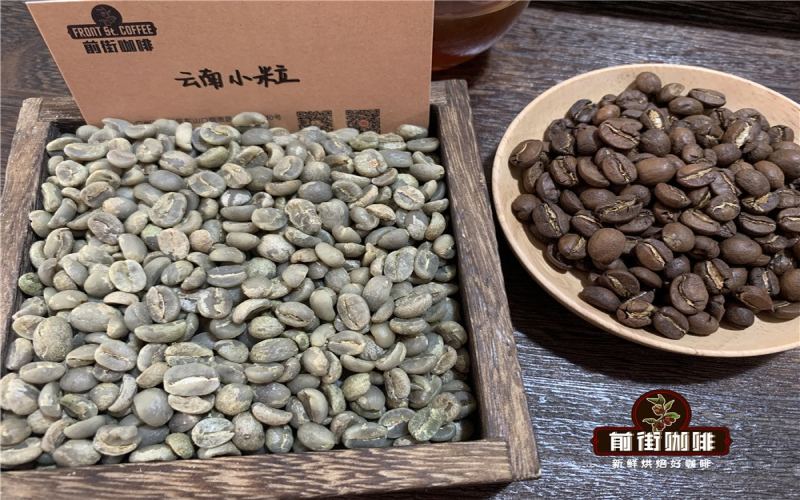
Yunnan Coffee Flavors | What Are the Differences in Flavor and Mouthfeel Between Yunnan Typica and Catimor Small-Bean Coffee? Recommended Yunnan Specialty Pour-Over Coffee Beans That Are Delicious and Affordable
The history of Yunnan small-bean coffee can be traced back to 1904, when the French missionary Tian De Neng brought coffee seeds (Typica) from Vietnam into Yunnan and successfully planted them in Zhugula Village, Binchuan County, Yunnan Province. This marked the beginning of coffee in Yunnan, generally known as small-bean coffee, commonly referred to in China as Yunnan small-bean coffee. Small-bean coffee refers to Arabica coffee. [more…]

How to Choose a Moka Pot: A Guide to Single-Valve vs. Double-Valve Use Cases and Coffee Bean Pairings
When the moka pot first appeared, there was no distinction between single-valve and double-valve versions. Its arrival brought steam-pressure espresso extraction into ordinary households and also broke the previous restriction that women could not enjoy coffee in cafés. In recent years, as people's demands for coffee flavor have increased, the double-valve moka pot has emerged. So should beginners choose single-valve or double-valve? And how should a single-valve moka pot be operated correctly? This article will sort through the structural differences between the two pot types, the difficulty of operation, and the key extraction points one by one, and provide coffee bean pairing suggestions suitable for moka pots, including specific choices such as Front Street Classic Blend, Queen Estate Brazil, and PWN Indonesia Golden Mandheling. [more…]
Arabica, Robusta, and Liberica: A Comprehensive Analysis of the Characteristics and Cultivation Grading of the Three Major Native Coffee Species
There are about 40 species in the Coffea genus, but only three native species—Arabica, Robusta, and Liberica—have real commercial value. They differ markedly in appearance, flavor, disease resistance, suitable altitude, and cultivation conditions: Arabica is elegant yet delicate, Robusta is hardy and intense, while Liberica is limited to localized trade in West Africa. Starting from botanical characteristics, this article systematically sorts out the origin distribution, climate and soil requirements, the complete cultivation process from sowing to harvesting, and the grading systems that producing countries have formed based on altitude, screen size, and defect bean ratios. Whether you are new to specialty coffee or want to understand the logic of origins more deeply, this foundational knowledge will help you more clearly judge the variety and terroir code behind the flavor in your cup. Front Street Coffee will also combine the key points in this article to recommend directions for your everyday purchases. [more…]
Characteristics of Italian-style blend coffee beans | What coffee beans are suitable for espresso? What are the coffee-to-water ratio, grind size, and water temperature for extracting espresso?
Espresso coffee beans, as the name suggests, are coffee beans specifically used for making Italian-style coffee. What makes these coffee beans different from others? Front Street Coffee has listed a few key differences for everyone! 1. Degree of roasting. Taking the coffee beans of a coffee shop as an example, if the coffee is produced using drip filtration (pour-over), [more…]
Introduction to Arabica and Robusta Coffee Beans | What are the origins, flavors, and appearance characteristics of Arabica and Robusta coffee beans?
If you know anything about coffee, you're surely aware that coffee beans fall into two main categories: Robusta and Arabica. These are arguably the two most common bean varieties we encounter. But why is Arabica coffee more favored? So today, Front Street Coffee is here to share exactly what's going on between these two. [more…]
A Complete Guide to Arabica Coffee: From Botanical Classification to Variety Characteristics and Origin Distribution
What exactly does a coffee tree look like? What is the essential difference between Arabica and Robusta? Starting from botanical classification, this article systematically sorts out the complete classification system of the genus Coffea and explains in detail the origins, growing conditions, flavor characteristics, and main subspecies of the two major commercial varieties, Arabica and Robusta. You will learn about the anatomical structure of the coffee cherry, the spread paths of classic subspecies such as Typica and Bourbon, and the genetic connections between Yunnan small-bean coffee and Blue Mountain and Kona. Whether you are a beginner enthusiast or a seasoned professional, this basic knowledge about coffee varieties is worth reading. Front Street Coffee will also recommend variety information worth paying attention to in this article. [more…]

Indonesian Civet Coffee Bean Origin Selection Guide: The Flavor Source and Tasting Methods of Authentic Kopi Luwak
Kopi Luwak, commonly known as cat poop coffee, has always been the most mysterious presence in the coffee world. Its unique "production process" and high price make countless coffee lovers curious yet rarely able to see it in person. This article will take you through the two major types of Kopi Luwak—the difference between wild and farmed civet coffee, why wild civets prefer Robusta while farmed ones are mostly fed Arabica, the respective characteristics of low-altitude and high-altitude producing regions on Indonesia's Sumatra Island, and where exactly the special flavor that the fermentation inside the civet's body imparts to the coffee beans comes from. If you are looking for an authentic Indonesian Kopi Luwak coffee bean, Front Street Coffee can also provide you with a reliable choice, and the following text will lay it all out for you in detail. [more…]
A Comprehensive Analysis of the Definition of Specialty Coffee and the Main Cultivated Varieties of Arabica
Specialty coffee is centered on carefully cultivated high-altitude Arabica, and its varietal system originates from two ancient bloodlines: Typica from Ethiopia and Bourbon from Yemen. This article systematically outlines the definition of specialty coffee and provides a detailed classification of major Arabica varieties, including Typica, Bourbon and their genetic mutations, intraspecific hybrids, and interspecific hybrids. It covers varieties such as Bourbon Pointu, Maragogipe, Geisha, SL28, Caturra, and Pacamara, while also explaining the position of hybrid varieties in specialty coffee and the key influence of producing estates on flavor differences. [more…]

Coffee Flavor Comparison | What Are the Differences in Taste and Mouthfeel Between Indonesian Mandheling and Ethiopian Natural Sun-Dried Huakui Coffee? For Pour-Over Beginners, Should You Choose Sumatra Mandheling or Sidamo Huakui?
Front Street Coffee has always been a fan of Mandheling coffee, while at the Front Street Dongshankou store, coffee from Ethiopia in Africa is what friends love the most, such as washed Yirgacheffe, sun-dried Huakui, Gesha Village, etc. When it comes to the difference in coffee flavor and taste between Mandheling and Huakui, Front Street Coffee believes this is a very obvious coffee taste. Man [more…]
The Art of Espresso Blending | What Are Espresso Beans? How to Blend Roasted Coffee Beans? Introduction to Espresso Blend Ratio Principles
Some friends may know about coffee beans, but not realize that coffee beans are also divided into espresso and single-origin. Actually, it's not hard to understand—the lattes and similar drinks we often have belong to espresso coffee, and the coffee beans used must correspond accordingly. Not all coffee beans can be used to make espresso. Some people ask Front Street: So what kind of [more…]
From Coffee Cherry to Cup: Coffee Cherry Structure Diagram and Full Analysis of Green Bean Processing Workflow
Many people drink coffee every day, yet have never seen what a coffee fruit actually looks like. Coffee cherries resemble cherries, turning red when ripe, and their internal structure determines the final form of the coffee bean. This article uses anatomical diagrams to show in detail the exocarp, pectin layer, endocarp, silver skin, and seed of the coffee fruit, and traces the complete chain from harvesting, washing or drying, roasting, to extraction. It also introduces the distribution characteristics of the global coffee belt, as well as the basic differences among the three major native species: Arabica, Robusta, and Liberica. The article also recommends related products from Front Street Coffee, helping enthusiasts understand more intuitively the transformation of coffee from fruit to cup. [more…]

Specialty Coffee in China | What coffee variety is Yunnan small-batch coffee? Recommended Yunnan single-origin specialty coffee beans that are great for pour-over
When it comes to coffee cultivation, people may first think of famous coffee-growing regions such as Africa and Central and South America. In fact, Yunnan in China had records of coffee cultivation as early as 1904, and today it has even ranked among the world's coffee producers. "Yunnan small bean" is appearing more and more frequently in domestic coffee shops, [more…]
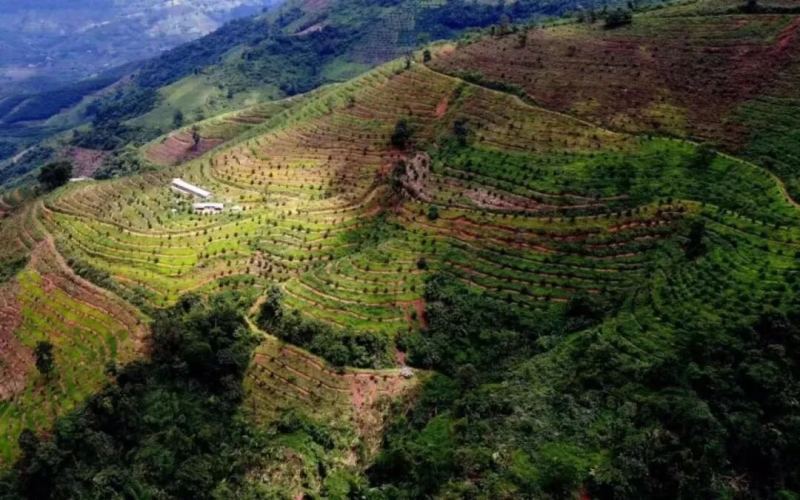
Yunnan Arabica Coffee Recommendations | What Varieties of Yunnan Arabica Coffee Beans Are There? Yunnan Coffee Bean Characteristics and Flavor Review
Front Street Coffee has learned that most people, when they first get into specialty coffee, start with Africa's Yirgacheffe or Sidamo regions in Ethiopia, and when it comes to Asian coffee, most people first think of Indonesia's Mandheling coffee beans. But with the rise of the domestic goods trend, Yunnan coffee from China has begun [more…]
Espresso Coffee Bean Recommendations | What's the Difference Between Latte Espresso Beans and Single-Origin Coffee Beans? What Are Some Common Recommended Latte Espresso Bean Blends?
Some friends may know about coffee beans, but not realize that coffee beans are also divided into espresso and single-origin. Actually, it's not hard to understand—the lattes and similar drinks we often have belong to espresso coffee, so the coffee beans used must match accordingly. Not all coffee beans can be used to make espresso. Some people ask Front Street: So what kind of [more…]
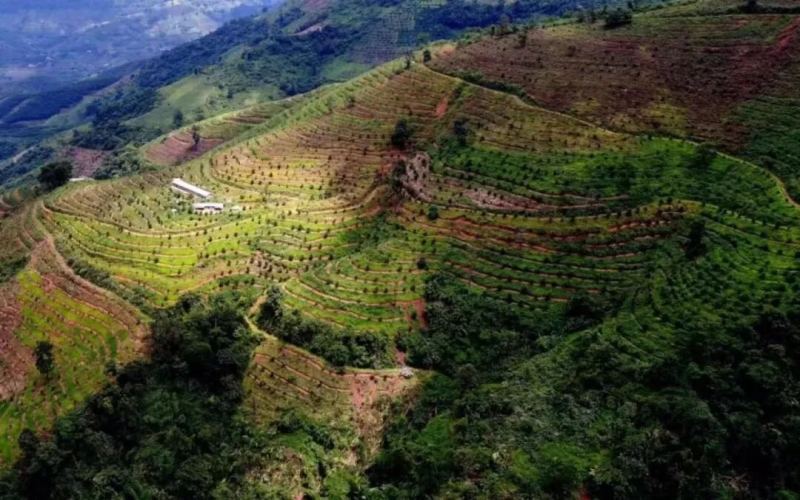
Yunnan Coffee | Where is China's coffee-producing region? Why is Yunnan suitable for growing Arabica? What are the characteristics of Yunnan coffee varieties?
Front Street Coffee has learned that most people, when they first get into specialty coffee, start with Africa's Ethiopian Yirgacheffe or Sidamo regions, while when it comes to Asian coffee, most people first think of Indonesia's Mandheling coffee beans. But with the rise of the domestic goods trend, Chinese Yunnan coffee has begun [more…]
Indonesian Civet Coffee Full Analysis: A Detailed Explanation of Brewing and Production Processes from Wild to Farmed
Kopi Luwak, commonly known as cat poop coffee, has always been shrouded in a layer of mystery. Its unique production process and expensive price make many coffee lovers curious about it yet rarely able to encounter it. This article will take you through a comprehensive understanding of the ins and outs of Indonesian Kopi Luwak, from the living habits of the civet, to the differences between natural and farmed coffee, and then to why it has such a special flavor. If you are interested in this legendary coffee, then follow Front Street as we delve into its production process and brewing key points. [more…]
Malaysian White Coffee Flavor Characteristics and Ingredient Differences: A Comprehensive Analysis from Its Ipoh Origins to Health Benefits
White coffee is a highly representative traditional specialty of Malaysia, with a history spanning over a century. It is not white in color; rather, it is made from three types of coffee beans—Liberica, Arabica, and Robusta—subjected to medium-light low-temperature roasting and special processing that greatly reduces caffeine, burnt bitterness, and astringency, resulting in a pale milky-golden hue and a mellow, gentle flavor. Compared with black coffee, white coffee differs fundamentally in bean selection, roasting methods, and brewing techniques; it contains no trans fats, has lower caffeine and calories, is gentler on the stomach, and does not easily turn sour after cooling. This article will systematically outline the flavor components, processing characteristics, historical origins, health benefits, and brewing methods of white coffee, offering you a comprehensive understanding of this classic Nanyang coffee. [more…]
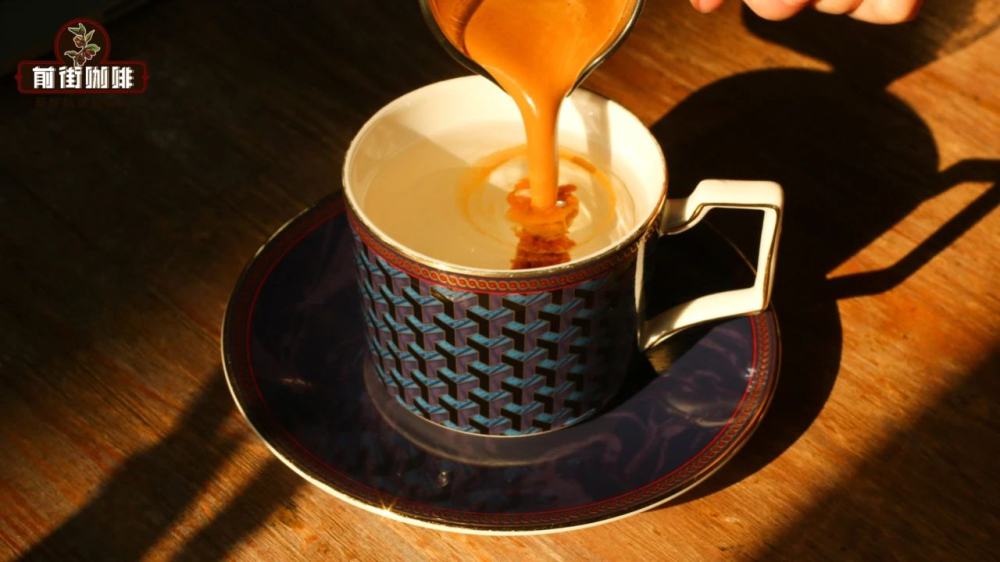
Pour-Over vs. Espresso Coffee Comparison | What are the differences between espresso and pour-over coffee in terms of coffee bean preparation methods, coffee extraction principles, and coffee-to-water ratio parameters?
Coffee is winning over more and more people in China, even starting to rival fast-drink tea beverages like milk tea, though the consumer groups for each are quite different. When it comes to coffee, pour-over coffee and espresso are a must-mention, and pour-over coffee relies most of all on single-origin beans. The unadorned beauty of pour-over coffee is not brash, [more…]